
Torsion systems easier to service
That's generally easier and safer hardware to service - torsion systems are more contained and predictable to work on than old extension springs hanging loose along the tracks.
Peachtree Corners, Smyrna GA
Garage door repair and install for Peachtree Corners homes built mostly in the late 1980s and 90s, served by the Smyrna crew 18 miles out. Torsion and opener work.
What we do here
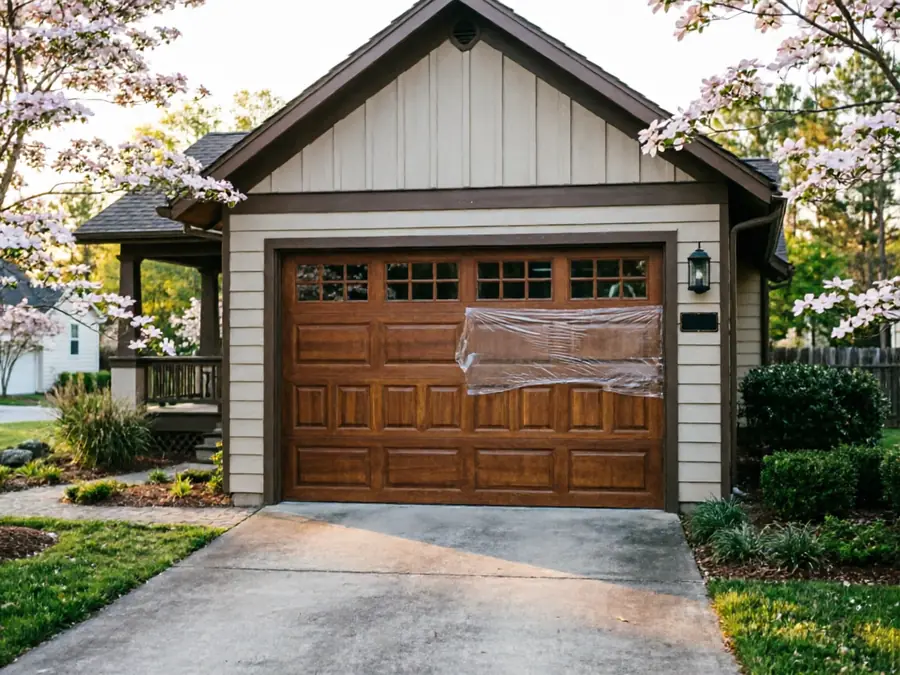
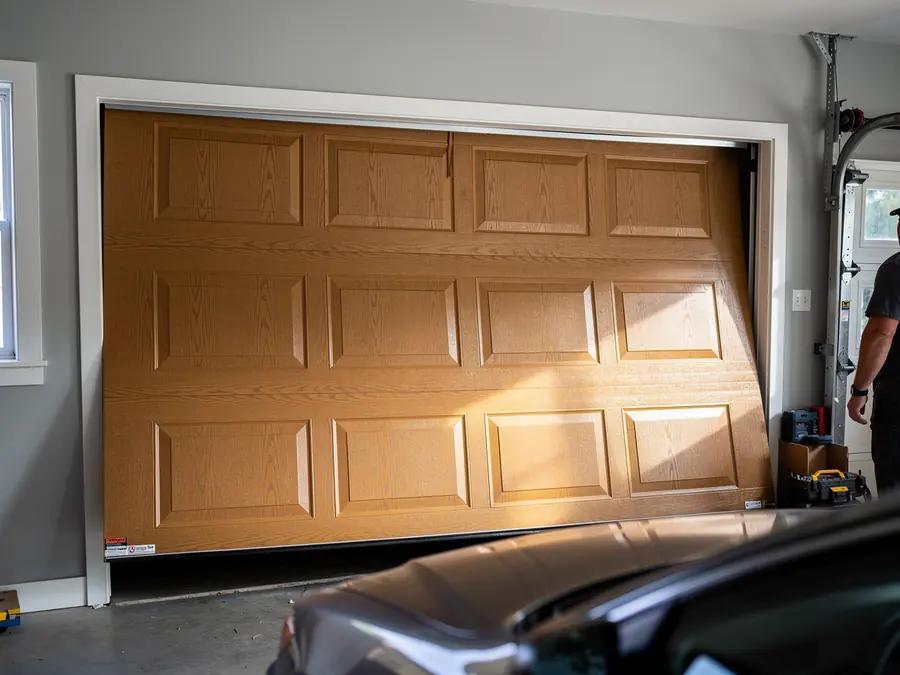
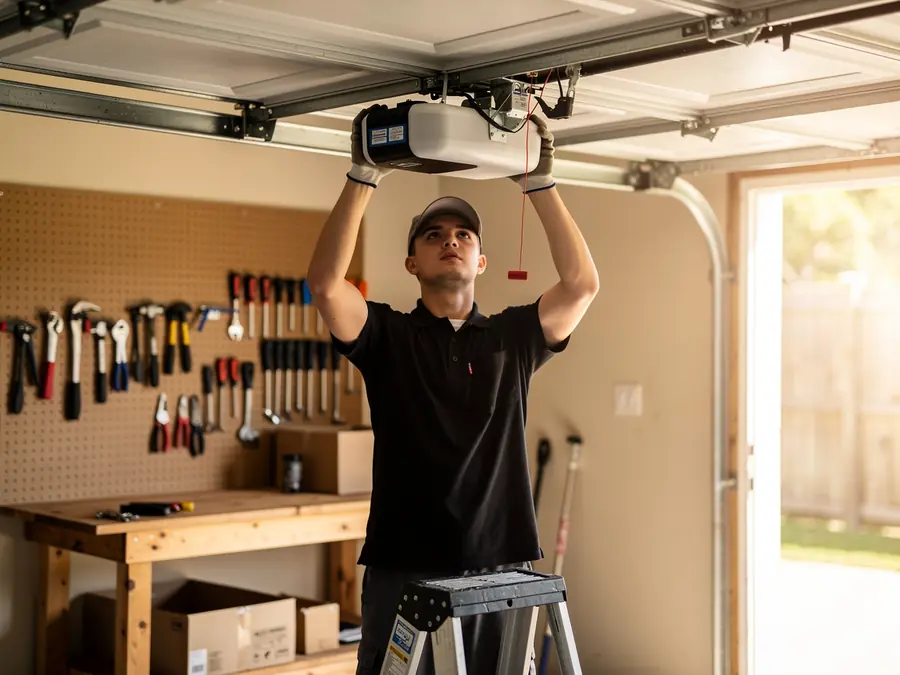
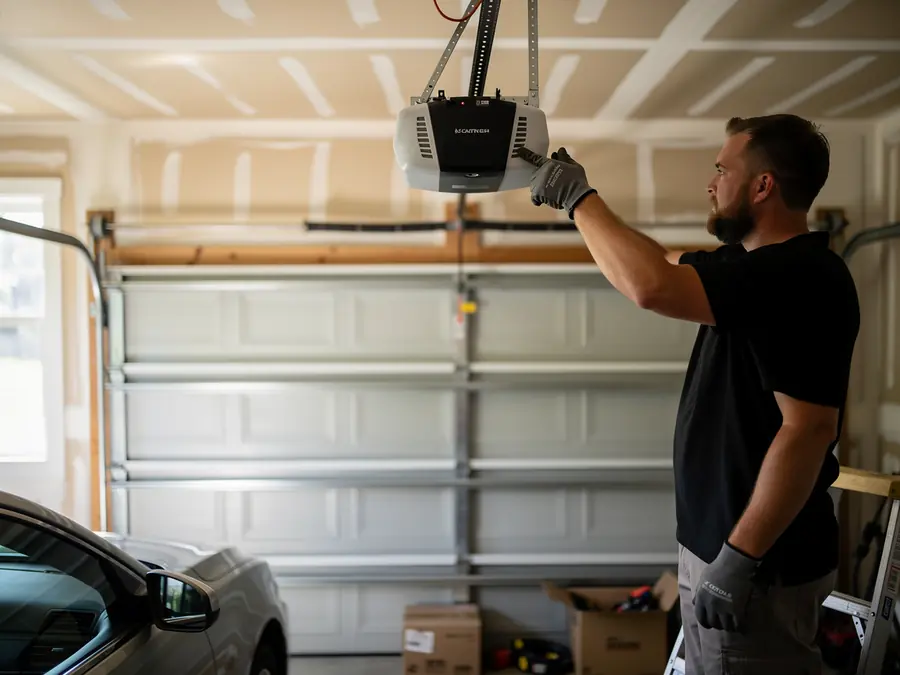
Local housing
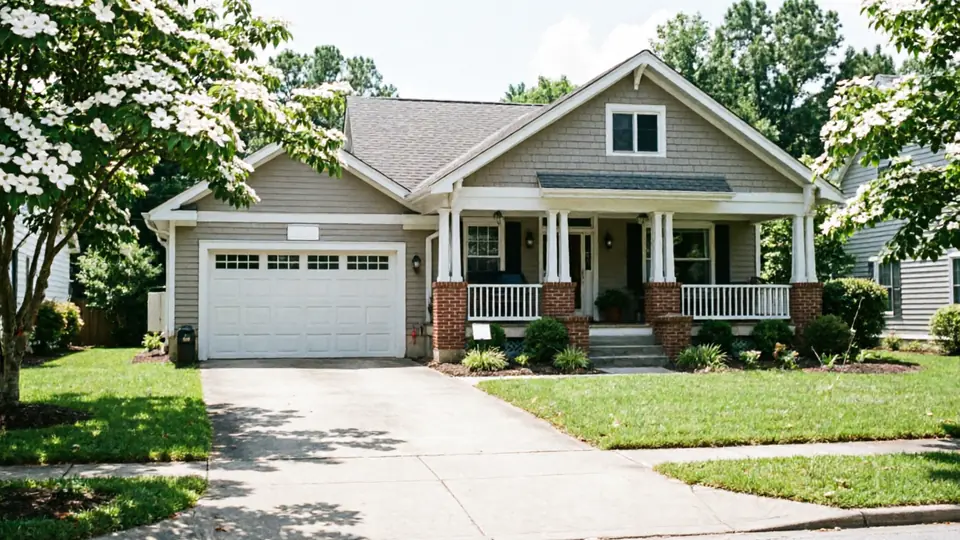
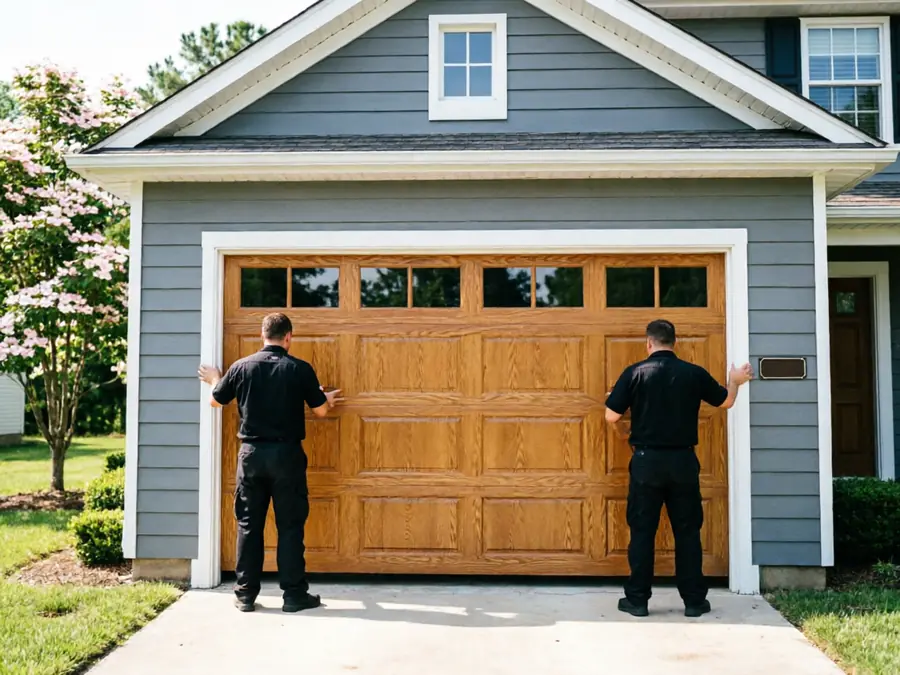
Peachtree Corners sits apart from most of the rest of our coverage area on one number: the median year built here is 1988, a full decade past the service-area median of 1978 and well past the 1960s-70s stock that dominates most of the 27 named areas we work in. That matters because a house built in 1988 came with a different kind of garage door than one built in 1965 or 1975.
By the late 1980s, builders had mostly moved off the old one-piece tilt-up slab doors and onto sectional steel doors with extension or torsion spring setups closer to what's still sold today. Openers from this era are chain-drive units, often the first generation with a safety reversal sensor required after federal rules changed in the mid-1990s - so homes built right at 1988 can go either way depending on exactly when the garage went in.
With 17,294 households in this part of the coverage area and a median income of $81,413, well above the $70,101 median across the full service area, a lot of these houses have also been through at least one remodel or door swap since original construction. That means the hardware you see today isn't always the hardware the house shipped with.
Door impact
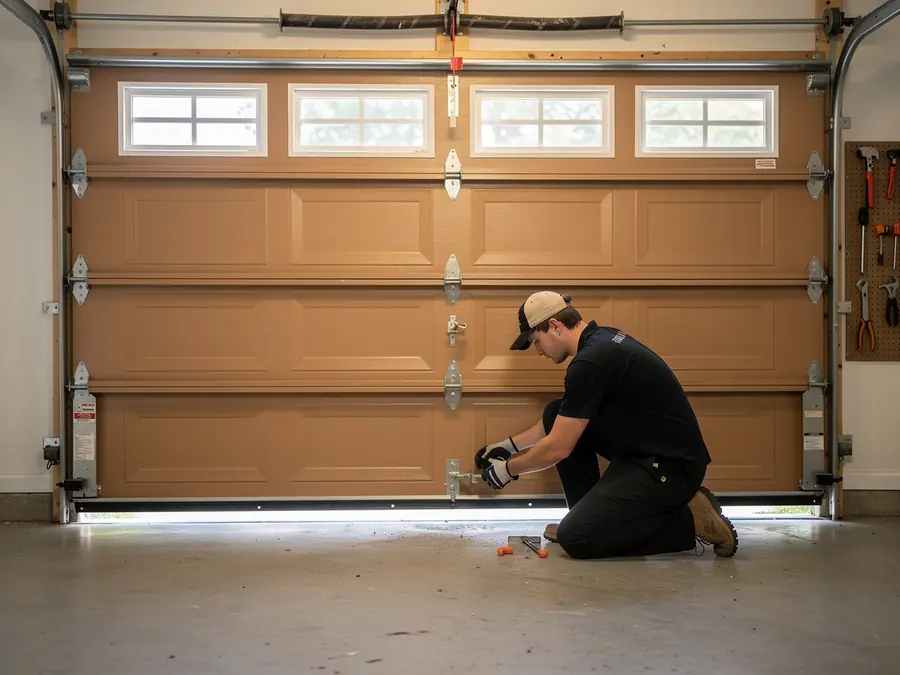
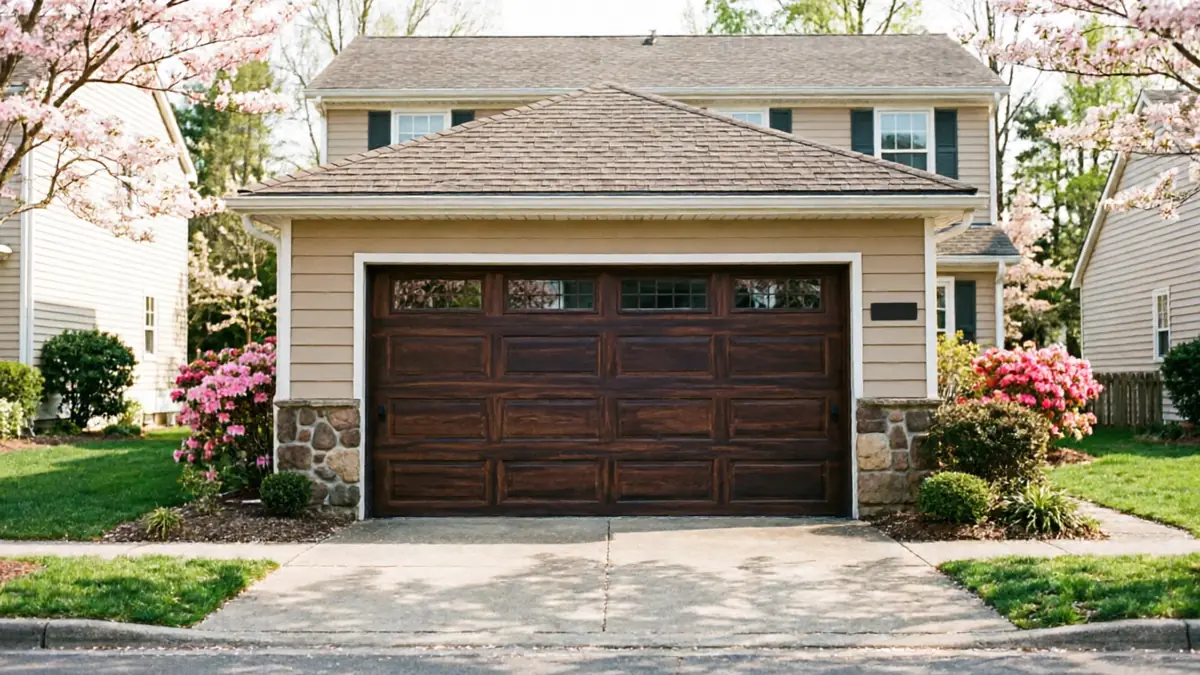
A door from this era is more likely to be a factory sectional with torsion springs mounted on a center bracket above the opening, rather than the side-mounted or extension-spring setups common on the older 1960s stock elsewhere in the service area.
That's generally easier and safer hardware to service - torsion systems are more contained and predictable to work on than old extension springs hanging loose along the tracks.
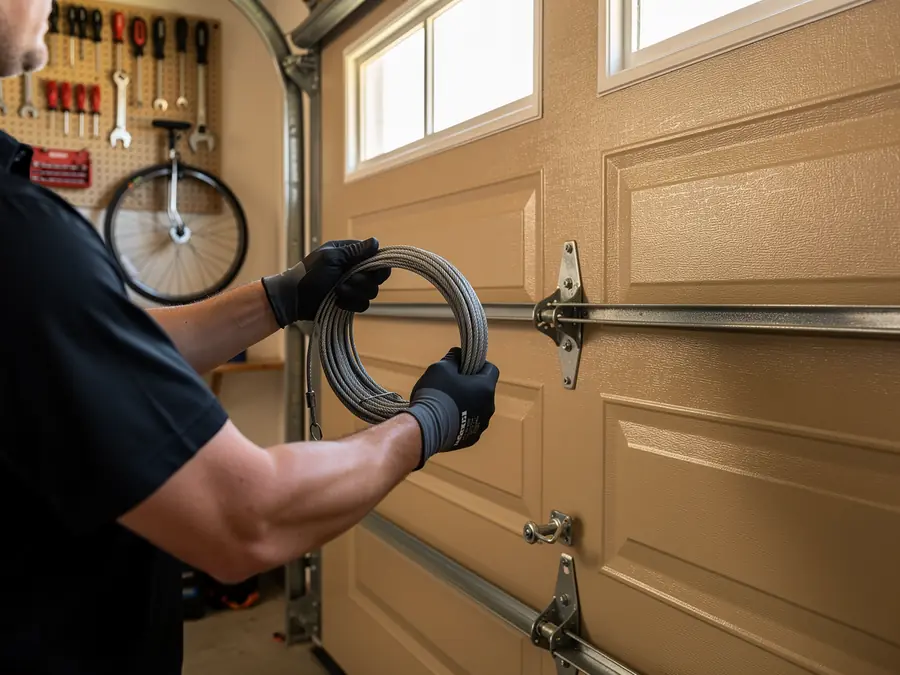
The common failure points we see on doors from this build period are worn rollers (plastic rollers from this era wear faster than the nylon ones used today), opener circuit boards aging out after 25-plus years, and torsion springs reaching the end of their cycle count - most springs are rated for a set number of open-close cycles, and a door installed new in 1988 has had three and a half decades to use them up.
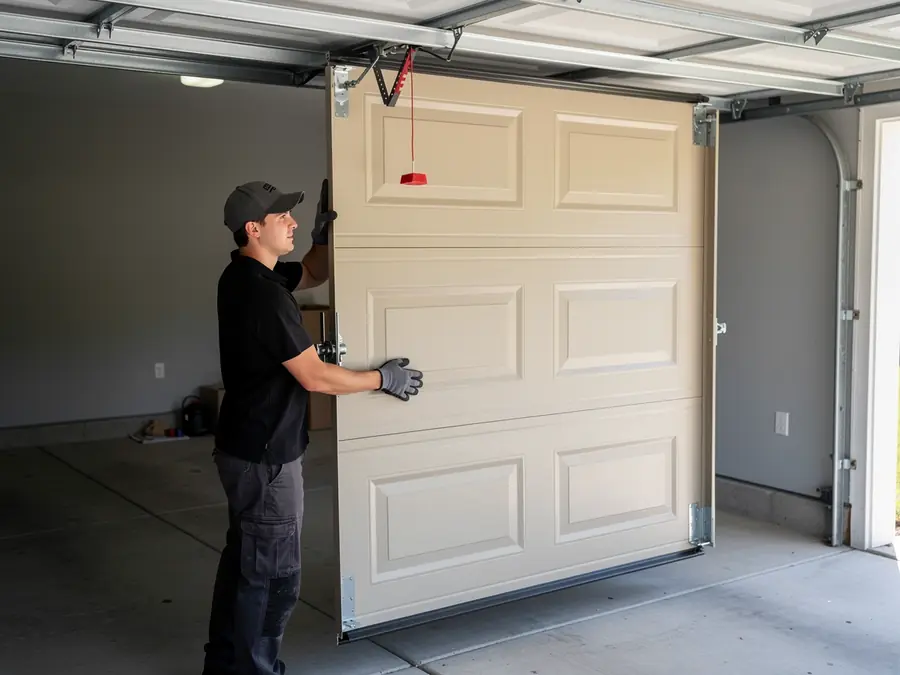
We also see a fair number of partial upgrades: original door, replacement opener, or vice versa. That mismatch sometimes means the opener's force settings or sensor height don't suit the door it's paired with, which shows up as a door that reverses randomly or won't close all the way.
Our limits
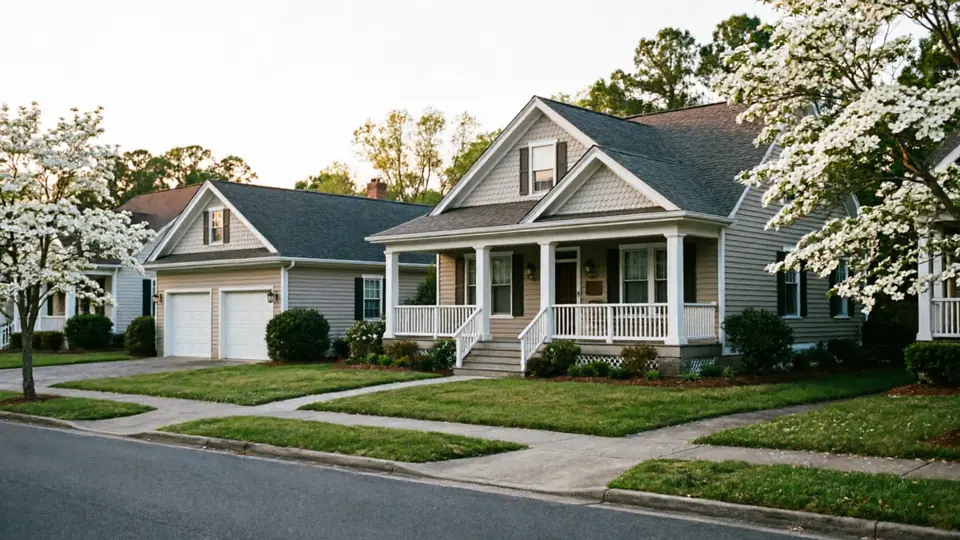
We don't carry parts for openers manufactured before the mid-1990s safety-sensor mandate if the unit has no aftermarket sensor retrofit kit available - some of those boards simply aren't made anymore, and we won't jury-rig a workaround on a safety system. If that's what's on your door, replacement is the honest answer, not a patch.
We also don't do same-day emergency dispatch to Peachtree Corners. We run out of Smyrna, and at 18 miles out this isn't a next-door call - we schedule it like any other job on the route, not a rush visit. If a spring snaps and the door is stuck shut or open, plan for a scheduled appointment rather than an hour-later arrival.
Finally, we don't recommend spring repair over full replacement once a torsion spring has snapped on a door from this era - at this age, if one side has gone, the other is usually close behind, and we'll say so rather than sell a single-spring patch that calls us back in a year.
Old vs new homes
Across the wider service area, most houses date to the 1960s and 70s, with original one-piece doors and side-mounted hardware that's increasingly hard to source parts for.
Peachtree Corners breaks from that pattern - its 1988 median build year puts most of its housing stock a full generation newer, closer to modern sectional-and-torsion setups than to the oldest original doors we still run into elsewhere.
That split means two very different service calls depending on which part of the area we're headed to. A house here is more likely to need a roller swap, a sensor realignment, or an opener board replacement than a full hardware conversion.
The cold-moderate climate band that covers the whole service area still applies - temperature swings affect spring tension and lubrication needs the same way regardless of the door's age - but the mechanical starting point for a Peachtree Corners job looks more like a 1990s door than a 1965 one, and that changes what we bring in the truck.
Service areas
Questions
It's about 18 miles from Smyrna. We cover it as part of our service area, but we schedule it on the route rather than treating it as a same-day emergency stop - plan on a booked appointment, not an hour-later arrival.
No. The median year built in Peachtree Corners is 1988, about a decade newer than the 1978 median across the full service area, where most stock dates to the 1960s and 70s. That means more sectional doors and torsion springs here, fewer original one-piece tilt-up doors.
If a retrofit sensor kit exists for the opener model, yes. Some pre-mid-1990s opener boards have no available retrofit and are no longer manufactured - in that case we'll tell you replacement is the honest option rather than rig a workaround on a safety system.
Usually we won't recommend it on a door this age. If one spring has gone, the other has typically logged a similar number of cycles and is close behind. Replacing both at once costs less in the long run than a second service call months later.
Ready when you are
Smyrna Garage Door Pros repairs and installs garage doors, springs and openers in Smyrna, GA and the surrounding area.