Blog
When a Spring Goes in Cold Weather: A Smyrna Homeowner's Guide
Why garage door springs snap in Smyrna's cold snaps, what it costs to fix given this area's 1960s-70s housing stock, and the mistakes homeowners make before calling.
What Is Going On
Most of the time it's a torsion spring, and it happens the same way: you hit the opener button, the door barely lifts an inch, or it doesn't move at all, and if you look up at the shaft above the door you'll see one side of the coil has snapped clean apart. The spring isn't broken because it's defective. It's broken because it's done its job a set number of cycles and that number ran out.
Housing in this part of Smyrna was built mostly between 1951 and 2004, with the bulk of it going up in the 1960s and 70s. That matters here because a lot of these garages still have the original torsion hardware, or a replacement spring installed decades ago that's now aged past its rated cycle life. A spring on a 1970s-built house has had a lot more winters to work through than one installed last year, and cycle fatigue doesn't announce itself. It just lets go, usually on the coldest morning of the stretch.
One thing worth saying plainly: if your opener motor is straining but the door still won't lift, don't keep hitting the button. That load goes straight into the gears and belt, and you can turn a $200 spring job into an opener replacement.
What the Weather Here Does to It
Smyrna sits in a cold-moderate climate band, not the deep-freeze zone up north, but enough to matter for steel. Garage door springs are high-tension steel coils, and steel contracts as it cools. A spring that's already near the end of its rated cycle count loses a little flex with every drop in temperature, and the shaft it's wound around doesn't give the way it would at 70 degrees.
That's why so many of these calls come in on the first genuinely cold morning after a warm stretch, rather than spread evenly across the year. The spring was already fatigued from years of use on an older door, and the overnight temperature swing is what finally pushes it past its limit. It's not that cold weather breaks good springs. It's that cold weather exposes springs that were already close to the end.
If your door's spring was installed when the house was built or close to it, cold snaps are when you'll find out. There's no way to predict the exact morning, but the pattern around here is consistent enough that it's worth checking spring condition before winter rather than after it breaks.
The Cost of This Job
What drives the price on a spring job isn't the brand of door, it's what kind of spring setup you have and how old the rest of the hardware is. A single torsion spring on a one-car door is a different job than a two-spring torsion system on a double door, and across this service area's 52,517 owner-occupied houses, you'll find both, often depending on when the house was built relative to when double garages became standard.
Older setups sometimes also need a new drum or cable replaced alongside the spring, since those parts wear on roughly the same timeline. We won't quote a number here we can't back up, because it genuinely depends on what's on your door, but we can tell you what we're looking at before we touch anything.
With a median household income of $70,101 in this area, most people want to know what they're paying for before the truck shows up, not after. That's a fair ask, and it's part of why we look at the whole system, not just the broken coil, before giving you a figure.
What Most People Get Wrong
The most common mistake is assuming a dead garage door means a dead opener. It usually doesn't. The opener is a small motor; it was never built to lift the full weight of the door on its own, the spring does that work. When the spring breaks, the opener is suddenly trying to do a job it can't do, and that's when belts strip and gears crack.
The second mistake, especially common on the older 1960s and 70s houses in this area, is treating a spring repair as a DIY job because it looks simple from the garage floor. Torsion springs are under real tension, and the winding bars and clamps used to set that tension aren't something you'll have lying around. This is the one job on a garage door we tell people flatly not to attempt themselves.
The third is waiting. A fraying cable or a worn drum next to a spring that's about to go will usually fail together, not one after the other with time to notice. If your door is original to a house built anywhere near that 1951-2004 window and you haven't had the spring looked at, cold weather is a reasonable time to ask.
Questions
Common questions
Why did my garage door spring break on such a cold morning?
Steel springs lose some flex as they cool, and a spring that's already near the end of its cycle life has less margin to absorb that. In Smyrna's cold-moderate climate, the first sharp temperature drop after a mild stretch is a common time for an aging spring to finally snap.
My house was built in the 1970s. Is that spring still original?
It's possible, especially if no one's mentioned replacing it. A lot of houses in this part of Smyrna date to the 1960s and 70s, and original torsion hardware from that era is well past typical cycle life. Worth a look before winter, not after a snap.
Can I replace a torsion spring myself?
We don't recommend it. Torsion springs are wound under real tension, and setting or releasing that tension needs the right bars and a clamp, not a wrench and good intentions. It's the one part of a garage door where a mistake can cause real injury.
Will my opener need replacing too?
Not necessarily. If you noticed the door wasn't moving and stopped using the opener right away, the motor is probably fine. If you kept hitting the button while the door was stuck, there's a better chance the gears or belt took damage along with the spring.
Recommendation
You Might Also Like
More garage door guides for Smyrna homeowners.
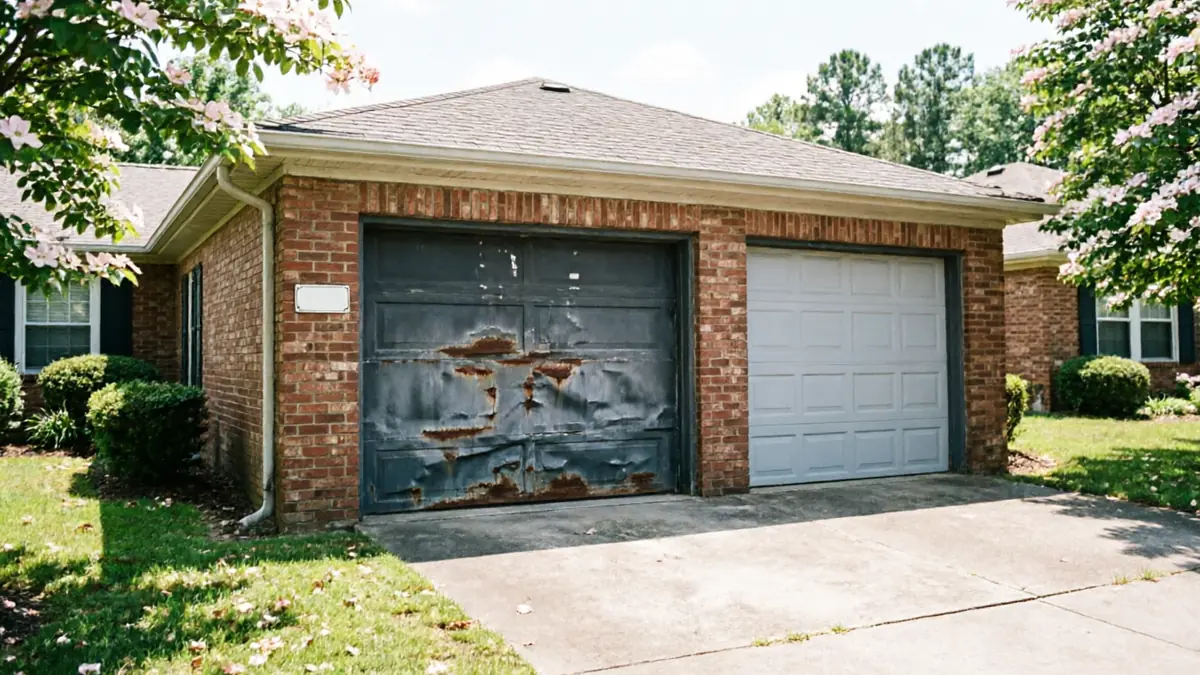
Why Your Garage Door Jumped the Track
Smyrna's older housing stock and cold-moderate swings both play a part in off-track doors.
Read guide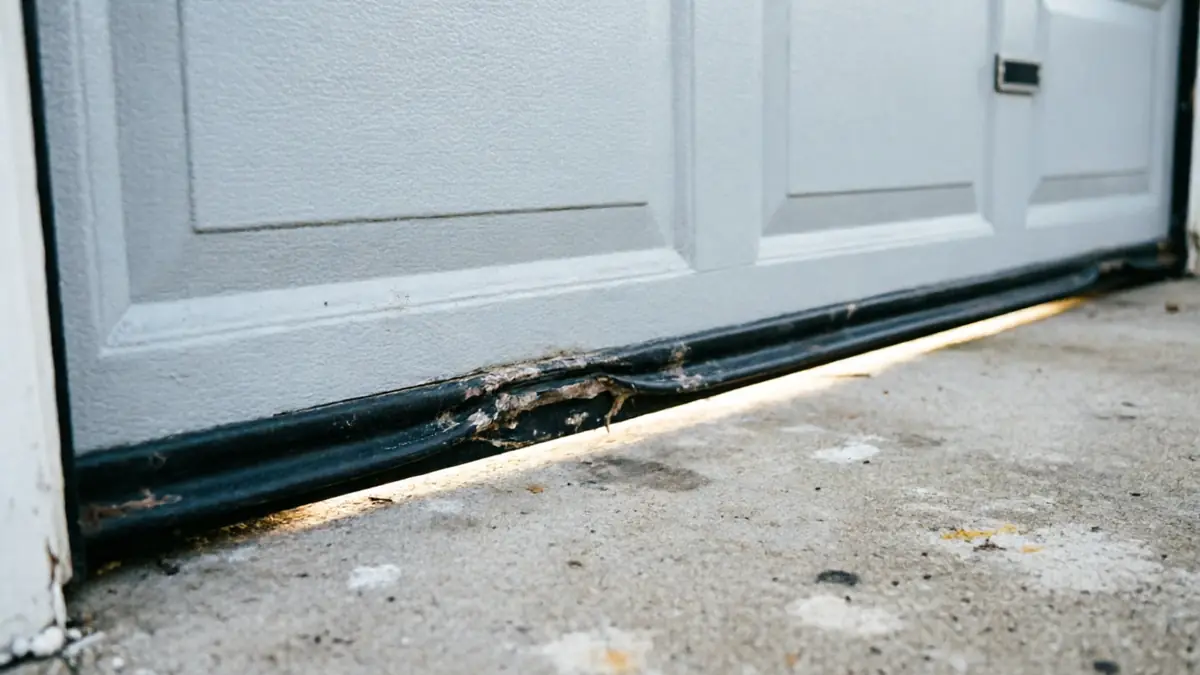
Why Your Garage Door Leaks Air in Smyrna
Smyrna homes built mostly in the 1960s-70s lose weather seals early.
Read guide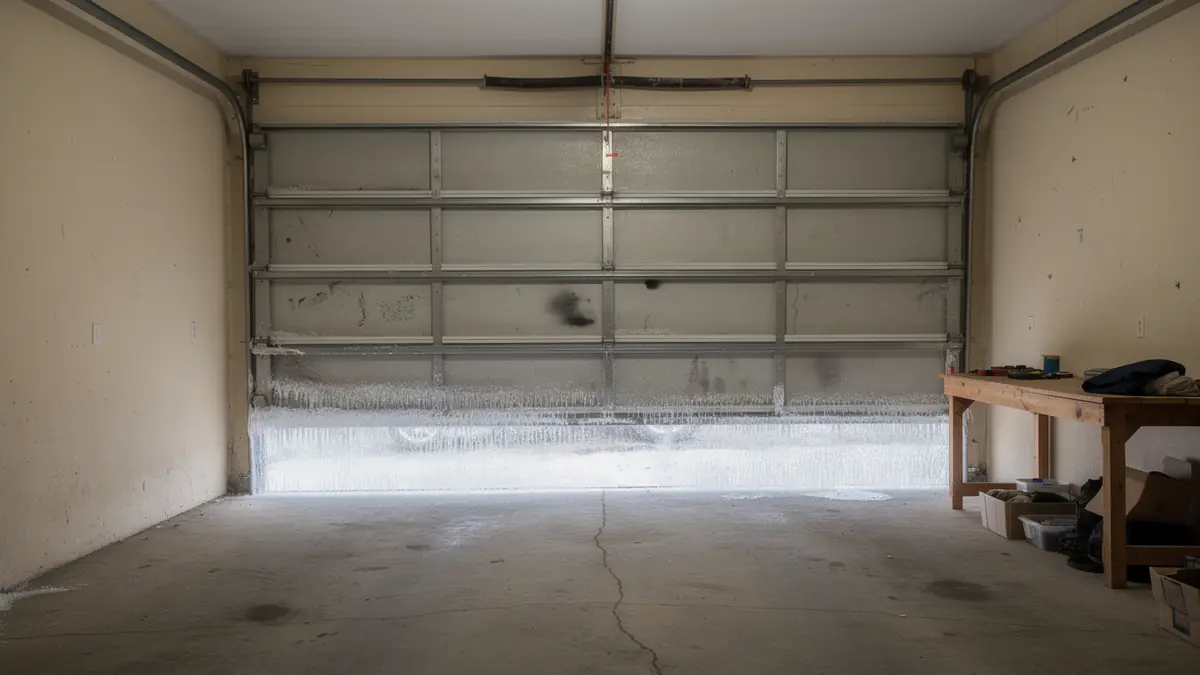
Garage Doors in Smyrna's 1960s-70s Housing Stock
Most homes around Smyrna went up between 1951 and 2004, built in the 1960s-70s wave before insulation codes existed.
Read guideReady when you are
Need a garage door sorted in Smyrna?
Smyrna Garage Door Pros repairs and installs garage doors, springs and openers in Smyrna, GA and the surrounding area.