Blog
Garage Doors in Smyrna's 1960s-70s Housing Stock
Most homes around Smyrna went up between 1951 and 2004, built in the 1960s-70s wave before insulation codes existed. That still shapes your garage door.
What Is Going On
Most houses in this part of Smyrna went up between 1951 and 2004, with the heaviest building wave through the 1960s and 70s and a median build year around 1978. That number matters more than people think. Insulation requirements for garage doors didn't exist when most of these houses were framed, so the door that came with the house was a single skin of steel or aluminum over an open frame - no foam, no vapor barrier, nothing between the garage and the weather but that one thin panel.
If your house falls into that 1960s-70s wave, which covers a big share of the 27 named areas around here, there's a decent chance the original door or its direct replacement is still doing that same job today. A door like that isn't broken in the sense of not opening. It's just built to a standard that stopped being acceptable decades ago. The hardware on it - the track gauge, the spring mount, sometimes the opening size itself - can run narrower or spaced differently than anything sold new now, which is the part that trips people up once they finally go shopping for a fix.
What the Weather Here Does to It
This area sits in a cold-moderate climate band, which doesn't mean brutal winters, but it does mean real swings - cold mornings, warmer afternoons, humidity that moves with the season. A garage door with no insulation layer doesn't resist any of that. It just transmits it. Steel skin on the outside, open air on the inside - the panel runs roughly the same temperature as whatever's happening outdoors, all the time.
That shows up as condensation on the inside face of the door on humid mornings, which over the years turns into rust starting at the bottom panel and working up. It shows up as stiff rollers and a slower-moving door on the coldest mornings, because the steel track contracts and the lubricant on 40-plus-year-old hardware has usually dried out or been painted over at some point. None of this is dramatic. It's steady wear that an insulated door with sealed joints doesn't pick up at the same rate. A door built before insulation codes existed was never designed to manage that daily cycle, and after a few decades in a cold-moderate band, it tends to show.
The Cost of This Job
There's no single number that covers this, because the job depends on what's actually behind the panel once someone opens it up. On a house from the 1960s-70s wave, sometimes the track and spring are standard and a straight swap is simple. Other times the opening itself is a size nobody stocks anymore, or the failing panel is one style in a three-piece door where the other two are already discontinued, which turns what looks like a patch job into a full replacement.
Across this service area, with a median household income of $70,101 and over 52,000 owner-occupied houses, a lot of people are weighing a repair against a replacement on a real budget, not an unlimited one. That's a fair way to think about it. A single bent panel on an otherwise sound door built in the 1980s or later is usually worth fixing. A door from the earlier end of that build range, with a spring already replaced once and hardware rusted through, is usually not - you're paying twice. I can't give a number without seeing the door and the opening, because the honest split is between parts that are easy to source and parts that aren't, and that only shows up once someone's standing in front of it.
What Most People Get Wrong
The biggest mistake is judging a door by whether it still opens. A door can run on the opener every day and still be the original 1960s-70s steel skin with a spring that's been overworked for years - the motor doesn't care how old the hardware is, it just pulls. People wait for a visible failure instead of catching the wear that's already there.
The second mistake is trying to retrofit insulation onto a door that was never built to hold it. Gluing foam board to the inside of a thin steel panel that's already flexing adds weight without adding strength, and it can throw off the spring balance on a door sized for the lighter original weight. If insulation is the goal, it has to be part of the door itself, not something added to the old one after the fact.
The third is assuming that because the house is old, the door has to match it. Plenty of houses from this build era already have a newer door on them from a prior owner. It's worth checking the inside face and the hardware stamp before assuming which decade you're actually dealing with.
Questions
Common questions
How do I know if my garage door predates insulation codes?
Check the inside face of the panel. If it's bare steel or aluminum with no foam backing and you can feel outdoor temperature through it, that's a single-skin door - common on houses from the 1960s-70s wave that makes up a lot of the housing here. A hardware stamp or manual, if you still have one, will usually show the build year too.
Is it worth replacing just one panel on an old door?
Sometimes. If the rest of the door is sound and the panel style is still available, a single swap is the cheaper route. On older three-panel doors from the earlier end of the 1951-2004 build range, matching panels are often already discontinued, which turns a one-panel job into a full door replacement.
Why does my garage door feel stiff in the morning but fine by afternoon?
That's the steel track contracting in cold-moderate morning temperatures and the old lubricant on decades-old hardware not doing its job anymore. It loosens up as the metal warms through the day. It's a sign of age and dried-out hardware, not something to panic over, but worth having looked at before a cable or roller gives out instead.
Recommendation
You Might Also Like
More garage door guides for Smyrna homeowners.
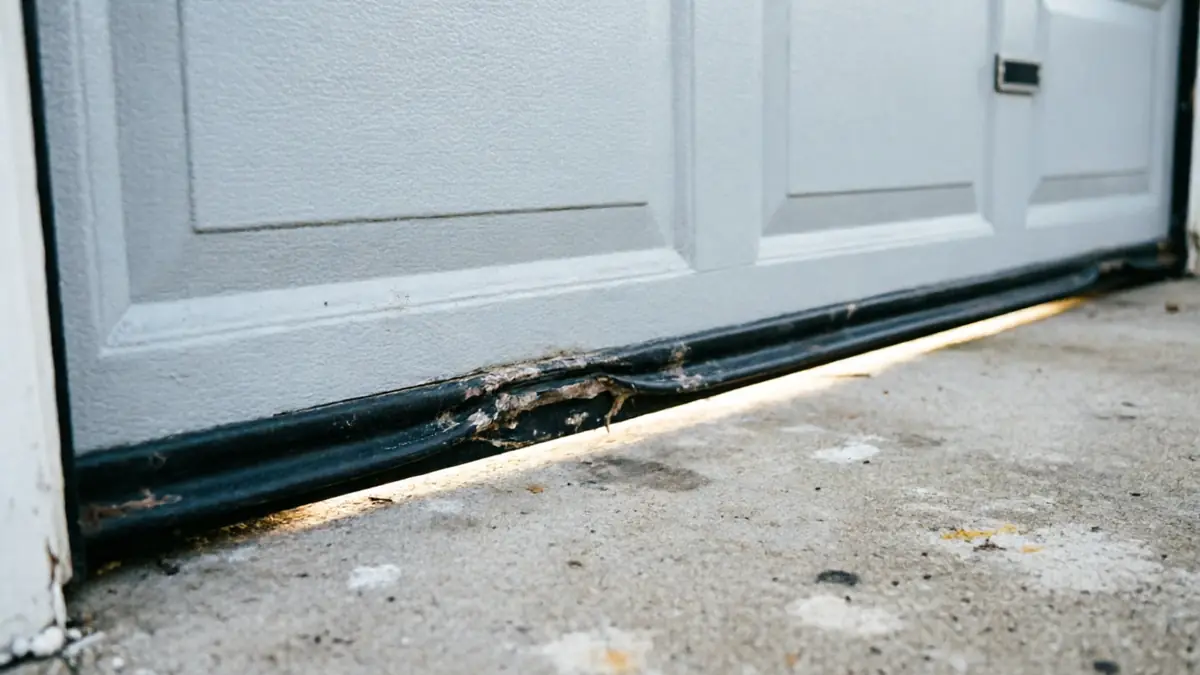
Is Your Smyrna Garage Door Worth Fixing, or Worth Replacing
In Smyrna, GA, homes built between 1951 and 2004 mean a wide mix of garage door ages.
Read guide
When a Spring Goes in Cold Weather: A Smyrna Homeowner's Guide
Why garage door springs snap in Smyrna's cold snaps, what it costs to fix given this area's 1960s-70s housing stock, and the mistakes homeowners make before calling.
Read guide
What Power Cuts Do to Garage Door Openers in Smyrna
How Smyrna's 1960s-70s housing stock and cold-moderate winters combine to knock out garage door openers during power cuts, and what actually fixes it.
Read guideReady when you are
Need a garage door sorted in Smyrna?
Smyrna Garage Door Pros repairs and installs garage doors, springs and openers in Smyrna, GA and the surrounding area.