Blog
Is Your Smyrna Garage Door Worth Fixing, or Worth Replacing
In Smyrna, GA, homes built between 1951 and 2004 mean a wide mix of garage door ages. We help you decide when a repair makes sense and when it doesn't.
What Is Going On
Smyrna's housing stock runs from 1951 to 2004, with the median build year landing in 1978, and most of the houses across the area's 27 named pockets went up in the 1960s and 70s. That spread matters more than people think. A door on a house built in the early 50s is a different animal than one on a house finished in the late 90s - different spring hardware, different track widths, sometimes a different wall thickness the opener bracket has to bite into.
Most of what we see on a service call falls into that 1960s-70s wave. That means a lot of Smyrna garages still have the same torsion or extension hardware they shipped with in the Carter era, even if the door skin itself has been swapped once or twice since. The hardware is the part that tells you whether a repair is worth doing. A steel torsion spring from that era, properly sized, still does its job. A wood jamb that's shifted or a track bent from decades of a car bumper tapping it, less so.
Before we tell anyone to replace a door, we look at what's actually underneath the panel - the spring type, the roller condition, the hinges. On a house from that 1960s-70s wave, a surprising amount of that hardware is still sound. Fixing it isn't nostalgia, it's just the cheaper option when the bones are good.
What the Weather Here Does to It
Smyrna sits in a cold-moderate climate band, so the door sees real freeze-thaw swings each winter without the brutal extremes of a true cold-climate town. That still does work on a door over the years. Steel springs lose a little tension with every hard temperature swing, and the grease in an old torsion unit thickens up on the coldest mornings, which is why an older door can feel sluggish in January and fine again by March.
Moisture is the other half of it. A garage that sits a little below grade, or one that doesn't get much sun on the slab, holds dampness longer after a cold front moves through. On an original door from that 1960s-70s build wave, that shows up as surface rust on the torsion bar ends and the bottom roller brackets - not usually bad enough to compromise the spring, but enough to make it bind and squeal.
None of this is catastrophic weather. It's not hurricane country and it's not the Dakotas. But a freeze-thaw cycle that repeats every winter for forty-some years leaves marks, and on a door that old those marks are usually fixable: clean the rust, re-lube the hardware, true up the track. The hardware doesn't need replacing just because it's showing its age.
The Cost of This Job
I'm not going to hand you a number here, because the honest answer is it depends on what's under the panel, and I haven't seen your door. What I can tell you is how to think about it. At a median household income of $70,101, most Smyrna homeowners we talk to are weighing a few hundred dollars in parts against a four-figure replacement, not choosing between trim packages. That's the real comparison on an older door - a spring, a set of rollers, a cable, versus a whole new unit and install labor.
The variable that moves the price most isn't the brand of door, it's the spring system. Torsion hardware from the 1960s-70s wave is a known quantity - parts exist, and a tech can source them without waiting weeks. Extension spring setups from the same era are a little more work to source correctly sized replacements for, which adds time to the job even when the fix itself is simple.
With roughly 52,517 owner-occupied houses across the service area, a huge share of the doors we look at are original equipment from that same 1960s-70s build wave, which means this isn't a rare situation - it's the normal call. We'll always tell you straight whether a repair gets you another decade or just another year.
What Most People Get Wrong
The biggest mistake is assuming age alone means replace. A door built when the house went up in that 1960s-70s wave isn't automatically worn out - steel springs and wood panels from that era were often built heavier than what goes in new construction today. Age tells you what hardware you're dealing with, not whether it's failed.
The second mistake runs the other way: treating every squeak or hesitation as proof the opener or spring is dying. Most of the time it's just the grease gone thick from a cold snap, or a roller that's worn its bearing and needs a four-dollar part, not a new motor. On a house from that median 1978 build year, that kind of wear is normal and cheap to fix.
The third mistake is waiting until a spring actually snaps before calling anyone. A torsion spring under tension that's starting to go usually shows warning signs first - a door that drifts down slower than it used to, or hangs slightly crooked. Catching that before it breaks is a smaller job and a safer one, since a spring that lets go while someone's hand is near the door is the actual danger, not the noise it makes before that.
Questions
Common questions
Is it worth fixing a garage door on a house built in the 1960s or 70s?
Usually, yes. Most of Smyrna's housing falls right in that 1960s-70s wave, and the torsion and extension hardware from that era is still a known, serviceable system. If the spring, track, and rollers are sound, a repair almost always costs less than full replacement and buys you years more use.
Does Smyrna's climate wear out garage door springs faster?
Smyrna sits in a cold-moderate band, so springs and hardware see real seasonal temperature swings but not extreme cold. Over decades that still thickens grease and causes surface rust on older torsion bars, which can make a door feel sluggish in winter. It's usually a maintenance fix, not a sign the spring has failed.
How do I know if my door's hardware is original to the house?
If your house falls in that common 1960s-70s build range and the door has never been replaced, the spring system is often original or close to it. A tech can tell quickly by looking at the torsion bar mounting and spring gauge - older original hardware tends to be heavier gauge than what's sold today.
What if my door's parts aren't available anymore?
Some older extension-spring setups take longer to source a correctly matched replacement for than standard torsion hardware, which can add a day or two to a repair. It's not common, but it happens, and it's one honest reason a job can take longer than expected on an older door.
Recommendation
You Might Also Like
More garage door guides for Smyrna homeowners.
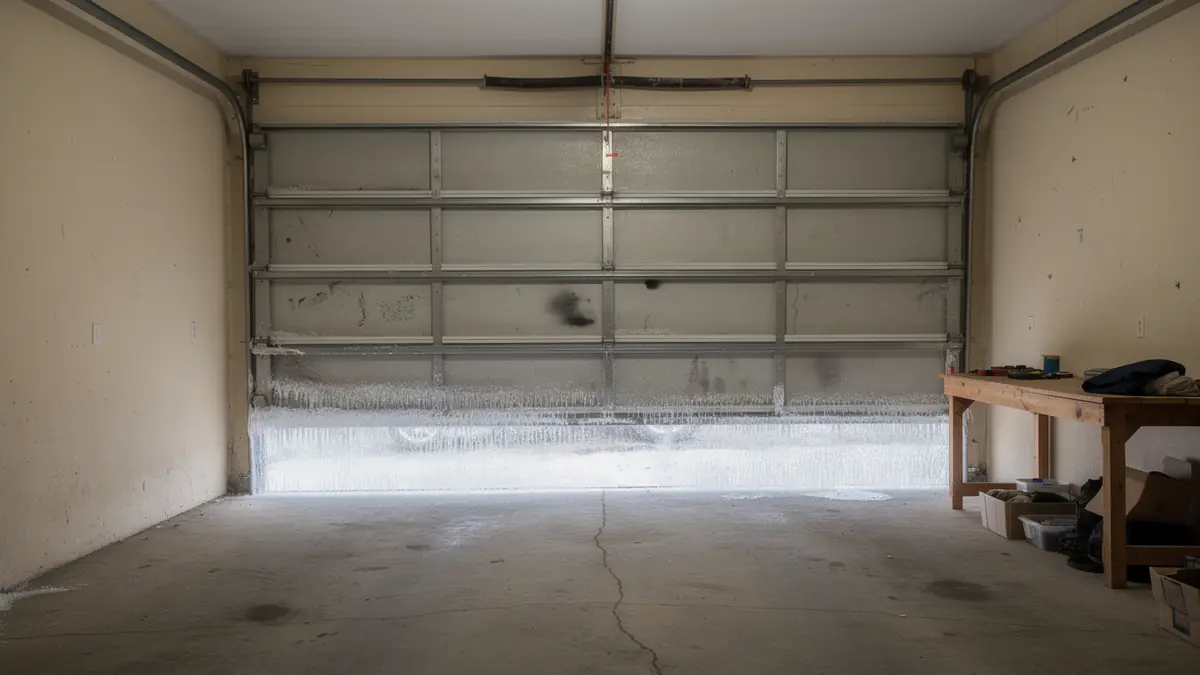
Garage Doors in Smyrna's 1960s-70s Housing Stock
Most homes around Smyrna went up between 1951 and 2004, built in the 1960s-70s wave before insulation codes existed.
Read guide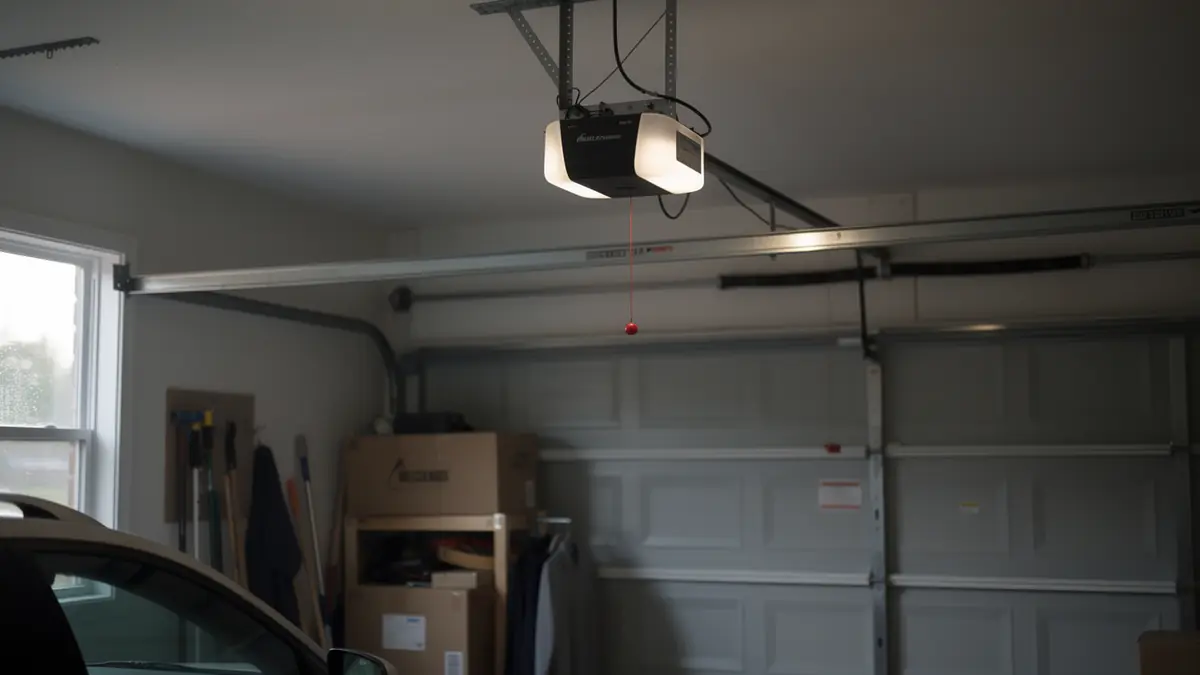
What a Service Call Actually Covers in Smyrna
Smyrna homes built mostly in the 1960s-70s mean specific spring, track, and opener issues.
Read guide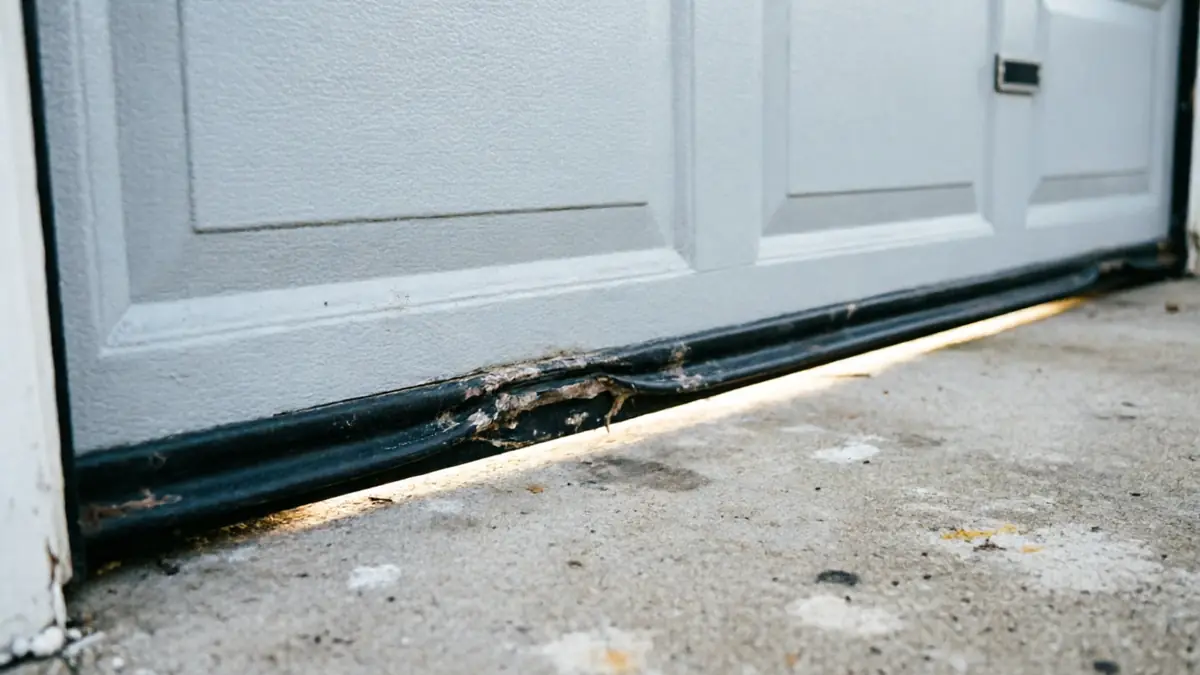
Why Your Garage Door Leaks Air in Smyrna
Smyrna homes built mostly in the 1960s-70s lose weather seals early.
Read guideReady when you are
Need a garage door sorted in Smyrna?
Smyrna Garage Door Pros repairs and installs garage doors, springs and openers in Smyrna, GA and the surrounding area.