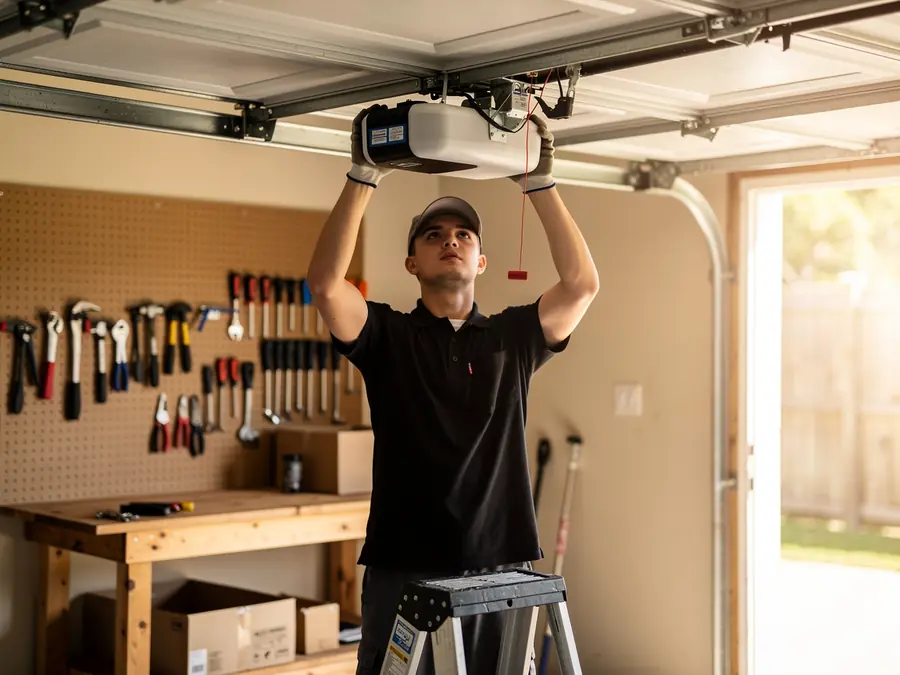
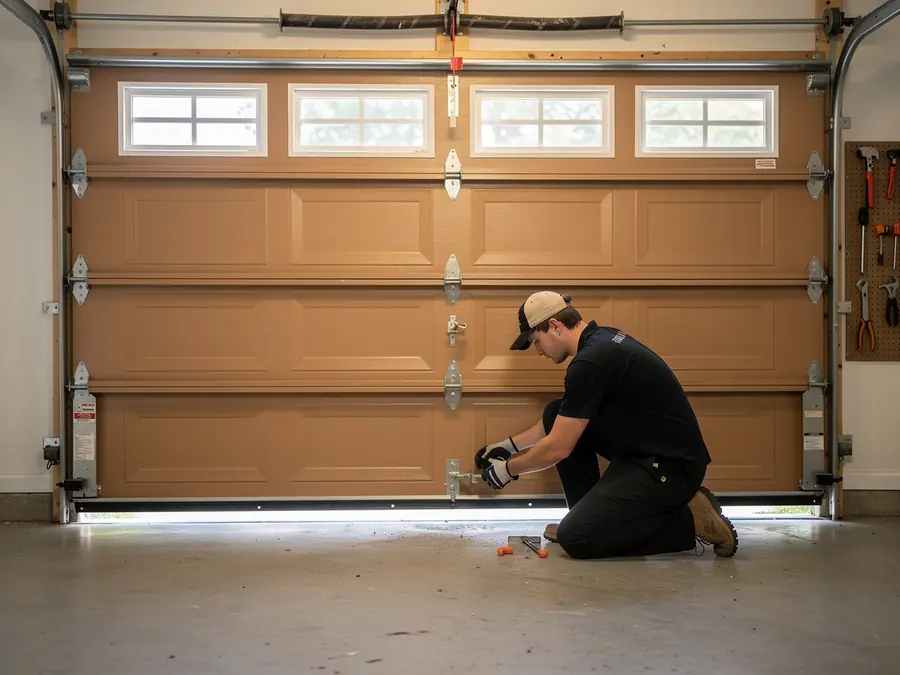
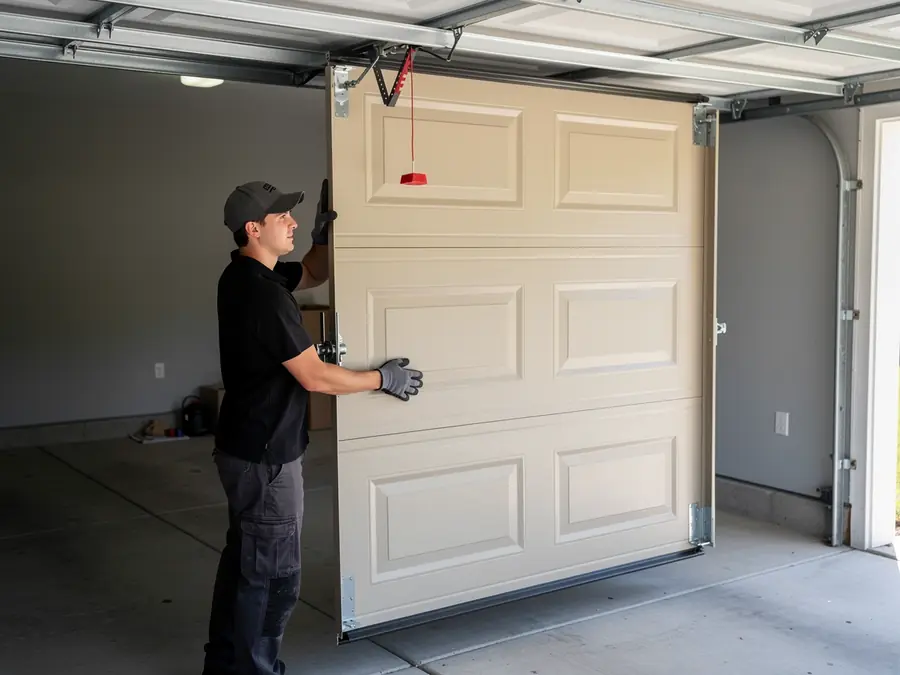
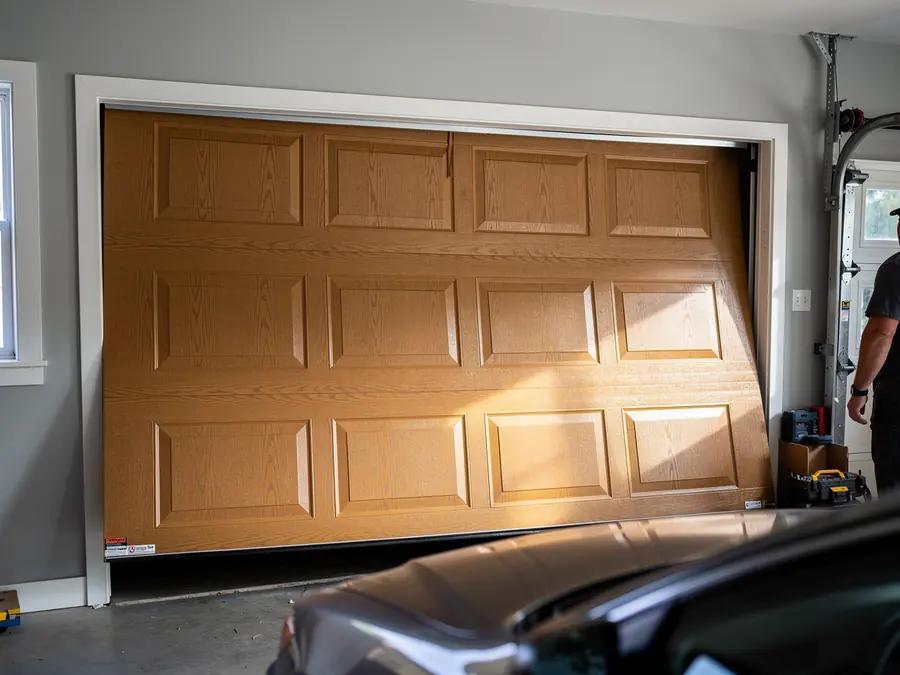
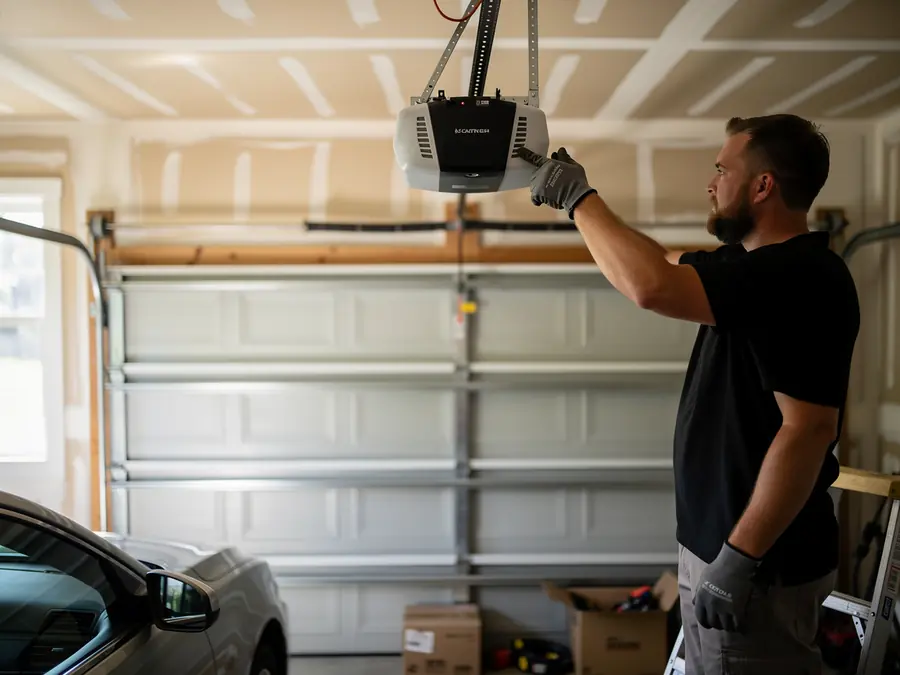
With median household income here at $62,299, well under the $70,101 median for the broader service area, we see more owners stretch a failing opener a season or two longer than they probably should, which means by the time we're called the chain's stretched, the gears inside the unit are stripped, and the safety reversal sensors - if they were ever installed at all - haven't been tested in years.
That last part is the real complication on a 1963-era garage. Reversal sensors weren't required when these houses were built and weren't standard practice for years after. An opener added in the 1980s or 90s may never have gotten them wired in, even though the opener itself supports it. Before we hang anything new, we check for that gap, because a door that doesn't reverse on an obstruction isn't a convenience issue, it's a safety one.
We also run into garages where the ceiling height or header depth doesn't leave room for a standard-rail opener, which on an older house with a low ridge beam is more common than people expect. In those cases a low-headroom unit costs more and takes longer to source, and we say so upfront rather than promise a same-week install we can't keep.